
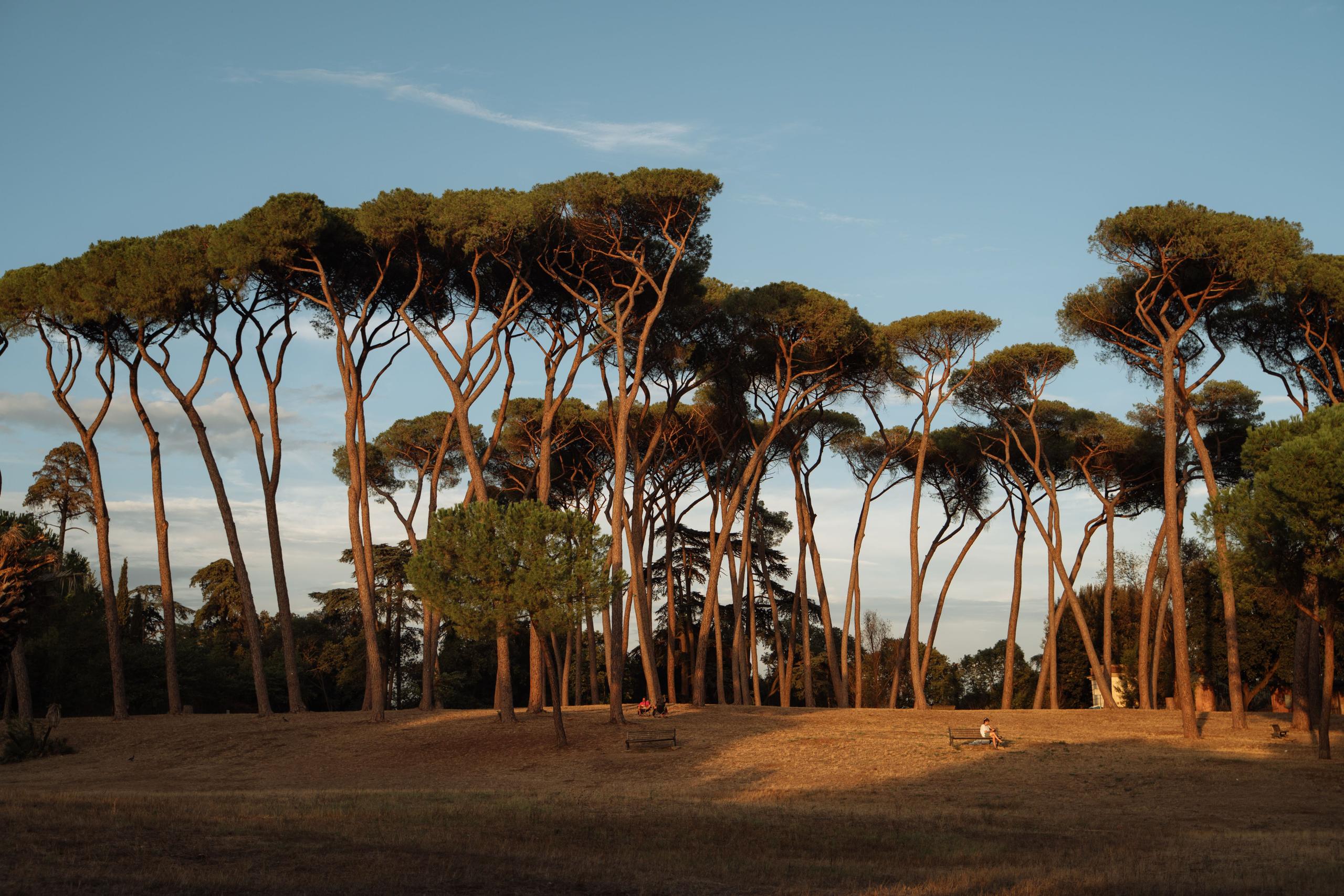
The Maremma is one of Tuscany’s most varied natural landscapes. Along its coastline, pine forests, sandy dunes and Mediterranean woodland alternate, creating a unique environment.
Among the places that best express this diversity are the Maremma regional park, the Duna Feniglia nature reserve, the Orbetello lagoon and the Sterpaia coastal park. Four distinct environments, united by the presence of protected ecosystems and by the opportunity to discover the territory through walking trails, cycling routes and itineraries immersed in local wildlife.
The Maremma Regional Park is one of the most representative sites within the area’s natural heritage.
At the heart of the landscape are the Uccellina hills, a green coastal ridge dotted with the romantic remains of ancient watchtowers and a cistercian abbey. At their foot lie the Tyrrhenian Sea and the plain surrounding the mouth of the river Ombrone, in a landscape that draws the gaze towards the coast through sandy beaches, cliffs, pine forests, cultivated fields and pastures.
One of the defining features of this area is the relationship between nature and traditional activities. Within the park, visitors may encounter Maremma cattle grazing, a presence that recalls the historic connection between this land and livestock farming.
The park also preserves a rich variety of wildlife and is an area of particular interest for birdwatching.
Its diversity makes it possible to explore the reserve in many different ways: on foot, by bicycle, on horseback or by canoe. A visit can therefore take on different forms depending on the chosen area and the kind of experience desired.
Continuing south, one reaches the Duna Feniglia Nature Reserve. Its beach forms part of one of the two sandbars connecting the Argentario peninsula to the mainland, on the side of the eastern lagoon.
A dense pine forest runs alongside the beach, while a paved path within the reserve follows the coastline, connecting Porto Ercole and Ansedonia.
Following this route on foot or by bicycle is an experience not to be missed, both for the impression created by the majestic centuries-old pines and for the encounters with the animals that inhabit the reserve.
Fallow deer are among its most recognisable residents, sharing this habitat with wild boar, foxes, badgers and small rodents. Birdlife includes turtle doves, woodpeckers, hoopoes and nocturnal birds of prey.
The branches of the trees offer protection from the sun, and even at the height of summer, the temperature within the pine forest remains pleasantly cool. During the warmer months, thousands of cicadas fill the air with their sound, creating a distinctive natural accompaniment to the walk.
The Orbetello lagoon oasis was established in 1971, following the remarkable discovery a few years earlier by Fulco Pratesi and Hardy Reichelt of a small nesting colony of black-winged stilts, a species that had been considered extinct in Italy since the beginning of the twentieth century.
Orbetello offers all the fascination of a landscape suspended between land and water, which has long been a source of inspiration for painters, poets and writers.
It is a place to experience through the senses. Breathing the salt-rich air, observing the light reflected on the water and listening to the calls of waterbirds leave a feeling of authentic wellbeing.
The oasis is one of the most representative wetland environments in Italy, as well as a privileged place from which to observe the richness of its birdlife. Ducks, herons, geese, cranes, flamingos, lapwings, waders, birds of prey and numerous passerines inhabit the lagoon, making it a site of great natural interest.
Here, nature reveals itself through moments of particular beauty: the flight of pink flamingos, colourful ducks gathering in the quieter areas, the sudden passage of a marsh harrier and the light movements of dunlins along the edges of the lagoon.
The sounds complete the landscape: the calls of lapwings and the voices of geese at sunset.
Through its wildlife, the Orbetello Lagoon reveals the full extent of its richness, offering one of the most authentic encounters with the biodiversity of the Maremma.
Moving towards the northern part of the Maremma, one reaches the Sterpaia coastal park, a woodland reclaimed in 1995 after a long struggle against illegal construction. The area was restored and returned to public use, allowing the forest to breathe once again.
It offers an environmental system of great value, encompassing dunes, lagoons, agricultural clearings, woodland areas and a rare section of humid coastal forest.
Its botanical character lies in the monumental size reached by some of its trees. Ash trees, turkey oaks and other oaks have trunks measuring several metres in circumference.
Even more significant, however, is the landscape value of the area, which preserves a rare example of wooded pastureland, characteristic of the northern Maremma landscape in the early twentieth century.
Exploring these places means going beyond the most familiar image of the Maremma to discover a territory that has preserved a variety of habitats, revealing the full complexity and richness of its natural heritage.
Staying at Roccamare Resort means being immersed in one of the most representative areas of the Maremma coast, where the sea and pine forest define the character of the holiday.
From here, the journey can continue towards nature reserves, parks and protected areas, following an itinerary that reveals the environmental diversity of the Maremma.
The resort forms part of the story of the territory not only as a place from which to begin, but as part of the same geography that defines the authentic identity of this land.

