
Autumn festivals in Tuscany
destinations
Autumn transforms Tuscany into a landscape of warm colours and unmistakable aromas, while historic villages come alive with long-established festivals dedicated to the season’s most emblematic produce: chestnuts, freshly pressed olive oil and truffles.
It is an ideal time to explore the region through centuries-old food traditions and landscapes that take on a new intensity at this time of year.
From the mountains of Mugello to the hills of Val d’Orcia, from medieval villages to the countryside of Chianti, autumn offers a different way of experiencing Tuscany — through its flavours, its stories and the communities that continue to shape them.
Among Tuscany’s most distinctive autumn events, Marradi celebrates the close relationship between place and tradition through its symbolic fruit: the marrone, the prized chestnut at the heart of the seasonal festivals that animate the village.
First held in October 1964, the event has grown over the years to become one of the best-known celebrations in Mugello, while remaining true to its original spirit: honouring the chestnut and the bond between the local community and the chestnut groves that have shaped this landscape for centuries.
Walking through Marradi during the festival means entering an atmosphere defined by flavour and conviviality. The streets fill with the aromas of chestnut-based specialities, while the village once again becomes a meeting place for residents and travellers.
In autumn, Monte Amiata takes on an entirely different character. Between late September and November, its beech woods and chestnut groves turn shades of yellow, orange and deep red, creating one of the season’s most striking natural spectacles: the foliage.
Among the area’s most representative villages is Piancastagnaio, where the Crastatone, the oldest local festival dedicated to the chestnut, is held each year.
Within the walls of the Rocca Aldobrandesca, the town’s four contrade bring the streets to life with chestnut specialities and other products closely associated with the Tuscan autumn, including olio nuovo and vino novello.
Nearby, Santa Fiora reveals another side of Monte Amiata through its landscape and chestnut woods. Surrounded by forests and natural springs, this historic medieval village is an ideal place for walking through nature and observing the changing colours of the mountain.
In the heart of Casentino, Poppi is one of Tuscany’s most evocative medieval villages, preserving its historic character around the renowned Castle of the Counts Guidi, which rises above the town and reflects the long history of a territory deeply connected to its natural surroundings.
Beyond the village lies the landscape of the Foreste Casentinesi National Park, where centuries-old beech woods and ancient forests offer a remarkable display of light and colour in autumn.
Here, foliage is best experienced slowly: walking beneath the trees in complete stillness, observing nature as it changes, and discovering a quieter, more contemplative side of Tuscany.
Among the Tuscan hills, San Miniato is home to one of the season’s most prized delicacies: white truffle, often referred to as the region’s “white gold” and among the most sought-after ingredients in Italian gastronomy.
From September, when the harvesting season begins, truffle hunters and their dogs make their way through the woods in search of this precious product of the land, guided by experience, detailed knowledge of the territory and respect for nature.
The White Truffle Market Exhibition was established in 1969. Since then, the event has grown into a broader celebration of the area’s food and wine heritage.
Yet the real value of the experience lies in its connection to the local community. Through traditional recipes, local producers and knowledge handed down over generations, the truffle becomes a way into the culture of the territory itself.
Set among the hills of the Alta Val di Cecina, Volterra preserves a distinctive balance between history and gastronomic culture.
An ancient city of Etruscan origin, defined by stone architecture and a timeless atmosphere, it becomes in autumn a place in which to discover white truffle, one of the products most closely associated with the surrounding area.
Volterragusto was created to celebrate this local excellence, transforming the historic centre into an itinerary through flavours and traditions. White truffle is presented alongside the work of small-scale food artisans, from cheeses and cured meats to wine, chocolate and other local specialities.
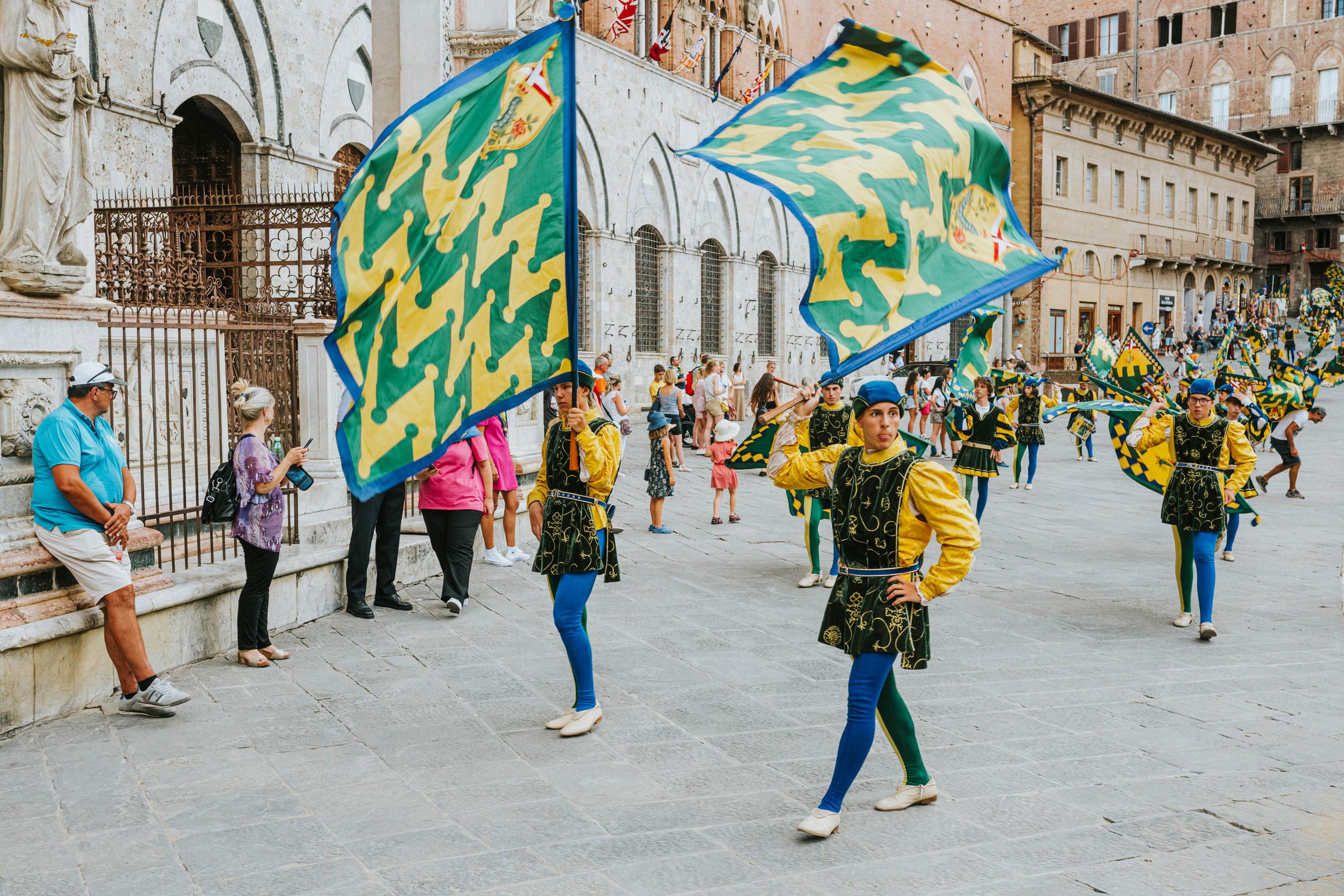
The event, however, extends beyond gastronomy. Guided visits, workshops, historical processions and the traditional Palio dei Caci bring the character of popular festivities back into the town, weaving together food, history and collective memory.
Florence’s strategic position makes it possible to follow a different itinerary each day: Mugello and Casentino to the north, Monte Amiata to the south, Alta Val di Cecina and the coast to the west, or the inland hills to the east.
In the heart of Florence, Oltrarno 1881 Apartments offers a way of exploring Tuscany with a greater sense of freedom: choosing when to set out on a day trip, how long to linger in a village and how to bring the day to a close, without the fixed rhythms of a more traditional stay.
Set within a Renaissance palazzo in Piazza de’ Nerli, each apartment has its own identity, combining the historic character of the building with carefully considered contemporary interiors.
Their location in the Oltrarno also offers a closer connection to the everyday life of the neighbourhood, among artisan workshops, local streets and distinctly Florentine atmospheres.
The kitchen becomes part of the journey. Produce discovered at a festival, bought at a local market or purchased directly from producers can be brought back to the apartment and turned into dinner, extending the memory of the day around the table.
Florence therefore remains an ideal base from which to alternate city life with journeys into the surrounding region, following individual interests and a more personal pace.

